
3 Shocking Secrets to Minimalist Parenting in Small Urban Apartments
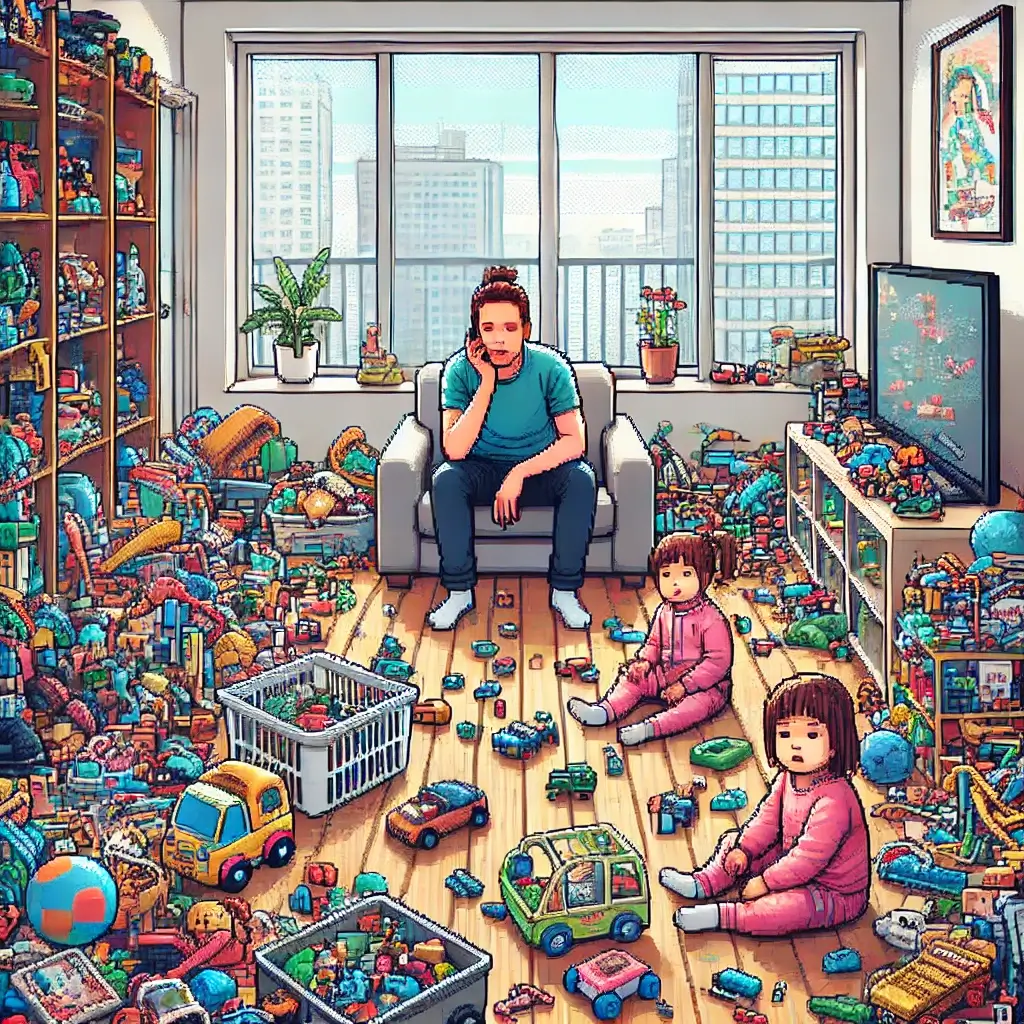
I get it. You’re standing in a tiny living room, tripping over a dozen mismatched plastic toys, and you’re thinking, “How is this my life?”
You envisioned a serene, tidy home, but the reality is a constant battle against clutter.
And when you live in a small urban apartment, that battle feels a hundred times harder.
You’re not alone.
This is the harsh reality for so many of us trying to make a big life work in a small space.
But what if I told you there’s a better way?
What if the key isn’t to find more storage, but to rethink everything you thought you knew about stuff?
Minimalist parenting isn’t about living in an empty, sterile box.
It’s about intentionality, and believe me, it’s the secret weapon for thriving in a small space.
I’ve been there—my family of four crammed into a one-bedroom apartment in a major city.
It was chaos until we embraced minimalism, and it completely transformed our lives.
We didn’t just survive; we thrived.
And I want to show you how you can, too.
This isn’t just about tidying up; it’s about changing your entire mindset, and trust me, it’s easier than you think.
It’s about making your small home feel spacious and full of life, not just full of things.
So, let’s dive into the three shocking secrets that will change the way you see your home and your family’s life. —
Table of Contents
—
Secret 1: The One-In, One-Out Rule Isn’t Enough—It’s the “Why” That Matters
Everyone talks about the “one-in, one-out” rule, right?
You buy a new toy, an old one has to go.
It sounds simple, but let’s be real, it’s a constant battle with our kids and a recipe for burnout.
What if I told you that rule is a symptom, not the cure?
The real secret isn’t just about removing items; it’s about understanding why they’re there in the first place.
We’re conditioned to buy things for our kids out of love, guilt, or the desire to keep up with the Joneses.
The latest gadget, the coolest new toy—we think we’re giving them joy.
But often, we’re just buying them a momentary distraction that adds to the mountain of clutter.
And that clutter doesn’t just take up space; it creates mental noise, for both you and your kids.
So, the first real secret to minimalist parenting is this: shift your mindset from a consumer to a curator.
Instead of asking, “What do we need to get rid of?” ask, “Does this item serve a purpose in our home and our lives?”
It’s a game-changer.
It’s about being proactive instead of reactive.
Before an item even enters your home, consider its purpose.
Will it foster creativity? Will it encourage family time? Or is it just another plastic toy that will be forgotten in a week?
When you start asking these questions, you’ll be shocked at how many things you stop bringing home.
My kids used to have so many toys they didn’t even know what to play with.
It was paralyzing.
I remember one afternoon, my son, overwhelmed by the mess, just sat on the floor and cried.
That was my wake-up call.
We started with a simple rule: if it doesn’t inspire play or connection, it goes.
We donated bags and bags of toys, and the change was immediate and profound.
My kids started playing with each other more, using their imagination to turn simple blocks into elaborate castles, and they even helped with cleanup because the task was no longer overwhelming.
This isn’t about being a strict parent; it’s about giving your children the gift of a more focused, less distracted childhood.
It’s about teaching them that joy comes from experiences, not possessions.
And it’s about giving yourself the gift of a calmer, more peaceful home.
I know what you’re thinking: “But what about gifts from grandparents?”
This is where communication becomes key.
Have an open and honest conversation with family members about your new approach.
Suggest experience-based gifts, like tickets to a children’s museum or a subscription to an educational service, instead of physical toys.
It might feel awkward at first, but most people will understand and respect your intentions.
You can also create a “toy rotation” system.
Pack up 75% of your kids’ toys and store them out of sight.
Every few weeks, swap them out.
It’s like getting a whole new set of toys without spending a single dime!
This method keeps your kids engaged, prevents boredom, and keeps the play area from looking like a toy store just exploded.
Let’s be honest, you’ve probably tried this before, but this time, connect it to the “why.”
The why is your peace of mind, your child’s creativity, and your family’s connection.
That’s what makes the difference between a temporary fix and a lasting lifestyle change.
And for a deeper dive into the psychology behind this, check out this great article from Psychology Today on the power of attention in children.
Minimalist parenting, urban apartments, decluttering, intentionality, small spaces —
Secret 2: Create Intentional “Zones” Not Just Storage Solutions
Small apartments are a puzzle, right?
You’re constantly trying to find the perfect basket or bin to cram more stuff into.
We become masters of vertical storage and under-bed bins, but what does that really solve?
It just hides the problem.
The second secret is to stop thinking about storage and start thinking about zones.
In a small space, every square inch has to earn its keep.
A “zone” is a designated area with a specific purpose, and everything in that zone supports that purpose.
This is about functionality, not just tidiness.
For example, instead of a “living room” with toys scattered everywhere, create a “play zone” and a “relaxation zone.”
Maybe the play zone is a corner of the living room with a simple rug and a bookshelf of curated toys.
When playtime is over, everything goes back into that zone.
This provides a clear boundary for both you and your kids.
Kids, especially, thrive on structure and routine.
When they know where things belong, cleanup becomes less of a fight and more of a natural conclusion to an activity.
This also applies to other areas of your home.
Your kitchen table isn’t just for eating; it can be a “creative zone” for art projects or a “learning zone” for homework.
Just make sure the supplies for that zone are easily accessible and put away when the activity is done.
This is where smart, multi-functional furniture comes in.
That ottoman? It’s not just a footrest; it can have built-in storage for blankets or board games.
Your bed can be a loft bed with a desk underneath, creating a study zone in a tiny bedroom.
Think like an architect, not a hoarder.
For some incredible inspiration on this, I highly recommend checking out some of the small-space living ideas on Apartment Therapy’s blog here. They have a ton of real-life examples that show you how to make this work.
And to really drive this point home, here’s a quick infographic I put together on how to create these zones effectively:
The Urban Apartment Zone Formula
Identify
List all daily activities (play, study, work, relax).
Designate
Assign a specific, defined area for each activity.
Curate
Only keep items in the zone that support its purpose.
“A place for everything, and everything in its place.”
I know what some of you are thinking: “But what about my kids’ need for free play that isn’t confined to a single spot?”
That’s a great point, and the goal isn’t to create a rigid, sterile environment.
It’s about having a “home base” for things.
Your kids can absolutely pull out the building blocks and create a towering city in the middle of the living room.
The difference is that when they’re done, those blocks have a clear, designated home to return to.
This simple act of defining zones changes the dynamic from chaotic to controlled.
It creates a sense of order without stifling creativity, and it teaches kids invaluable life skills about organization and responsibility.
My kids now say, “Let’s put the art stuff back in the art zone” instead of “Where does this go?”
It’s a small change, but it’s a monumental shift in the way our family operates.
Minimalist parenting, urban apartments, decluttering, intentionality, small spaces —
Secret 3: The True Cost of Clutter Isn’t Money—It’s Your Mental Health
This is the big one, the secret that nobody talks about.
When we look at our cluttered home, we see a mess, a chore, a problem to be solved with more storage.
But the real cost isn’t the money we spent on all that stuff; it’s the mental and emotional toll it takes on us every single day.
Living in a small, cluttered space is like trying to work with a million browser tabs open at once.
Your brain is constantly processing all that visual information, and it’s exhausting.
It leads to anxiety, stress, and a constant feeling of being overwhelmed.
For parents, this is especially true.
We’re already stretched thin, and a cluttered environment adds a layer of stress that we often don’t even realize is there.
It’s the nagging feeling that there’s always something to clean, to organize, to put away.
It’s the sense of losing control in the one place you’re supposed to feel safe and secure.
Minimalist parenting isn’t just for your kids; it’s for you.
It’s about giving yourself the mental space to breathe, to think, and to be present with your family.
When you walk into a tidy, organized home, you feel a sense of calm and accomplishment.
That feeling is worth more than any toy or gadget.
Think about a time you went on vacation.
Remember that feeling of walking into a clean hotel room with just the essentials?
That’s what you can create at home.
It’s a sanctuary, a place where you can relax and recharge, not just another place to manage.
And this isn’t about being perfect.
Life with kids is messy, and there will always be spills and messes.
The difference is that a minimalist home can be put back in order in a fraction of the time, so the mess never becomes a mountain of stress.
I can now tidy up our entire living area in about ten minutes, and that feeling of a clean slate at the end of the day is absolutely priceless.
This mental health aspect is so crucial, and for more on this, I found a fantastic article from Forbes about the link between minimalism and mental well-being. It’s a powerful read.
This isn’t about throwing everything out and becoming some kind of monk.
It’s about being deliberate.
It’s about choosing a life with fewer things and more experiences.
Fewer chores, and more time for what truly matters.
So, take a deep breath.
Look around your apartment not with a sense of dread, but with a sense of possibility.
You have the power to transform your space, and in doing so, transform your family’s life and your own mental peace.
Start small, and the rest will follow.
Your future, calmer self will thank you for it.
Minimalist parenting, urban apartments, decluttering, intentionality, small spaces
🔗 The 1 Astonishing Truth About Your Dream JDM Car Posted 2025-08-18 07:55 UTC 🔗 3 Reasons Why Your Australian Outback Motorcycle Tour Will Change Your Life Posted 2025-08-18 07:24 UTC 🔗 How Independent Jazz Musicians Are Changing the Scene Posted 2025-08-17 10:45 UTC 🔗 Rediscovering The Lord of the Rings in 2025 Posted 2025-08-17 10:09 UTC 🔗 The Future of Video Game Music Production Posted 2025-08-17 🔗 7 Sanity-Saving Vegan Meal Prep Ideas Posted 2025-08-18