
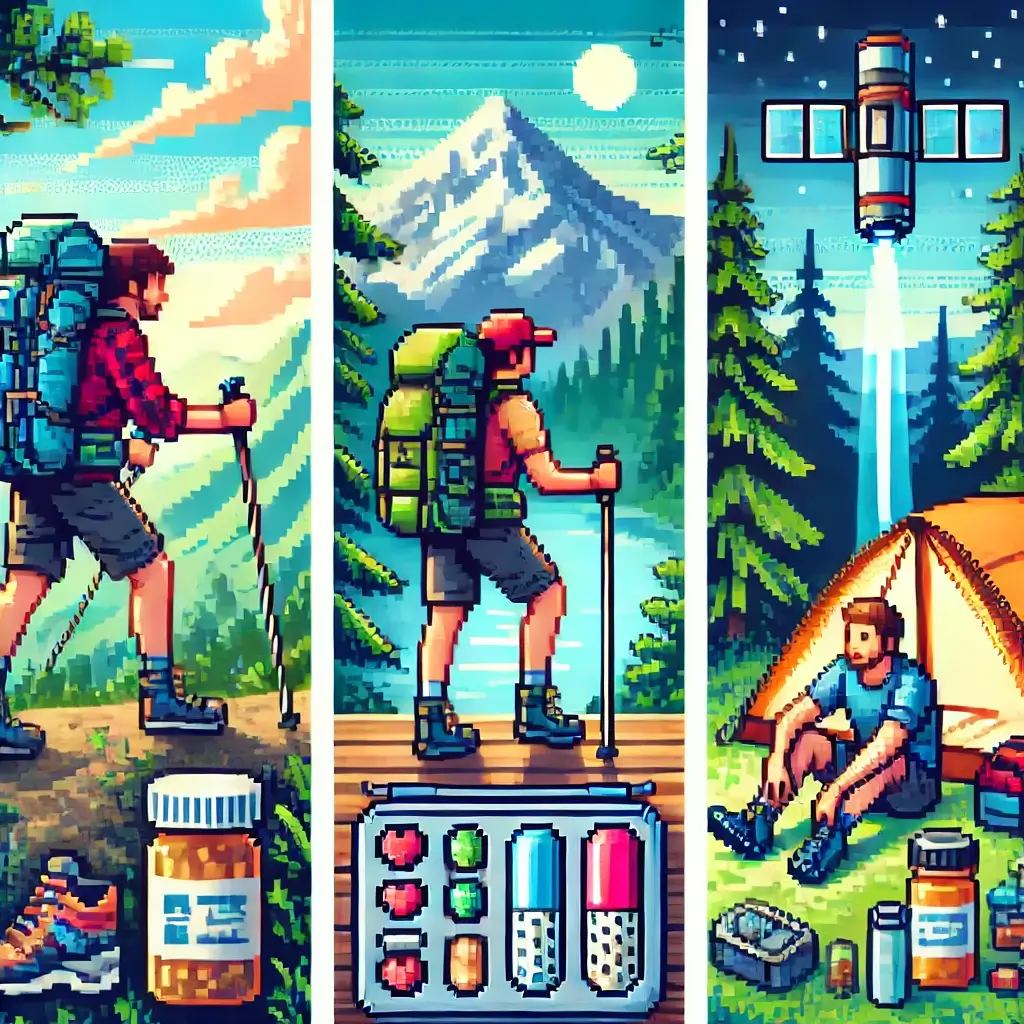
Don’t Let Your Diagnosis Hold You Back: 7 Keys to Thru-Hiking with a Chronic Medical Condition!
Table of Contents
You CAN Do This. Seriously.
I know what you’re thinking.
You’ve scrolled through Instagram, drooling over epic mountain vistas and sun-drenched trail selfies.
You’ve seen the posts: people shedding their backpacks at the end of a long day, a look of pure, unadulterated triumph on their faces.
And then, a little voice whispers in the back of your mind, a voice that sounds suspiciously like your doctor’s last appointment.
“Thru-hiking? With diabetes? Or arthritis? Or that heart condition?”
That voice tells you it’s a pipe dream.
That the trail is for the young, the perfectly healthy, the ones who don’t have to pack a cooler of insulin or worry about a sudden flare-up.
I’m here to tell you that voice is a liar.
Thru-hiking with a chronic medical condition isn’t just possible; it’s being done by thousands of people every year.
They’re not superheroes, and they don’t have some magic potion.
They have something even more powerful: knowledge, preparation, and a fierce, unshakeable determination.
My name is Alex, and I’ve been hiking for over two decades, navigating the world of long-distance trails with my own set of challenges.
I’ve seen it all, from fellow hikers managing their blood sugar on the Appalachian Trail to others carefully planning their ibuprofen intake on the Pacific Crest Trail.
This isn’t some sterile, scientific guide filled with jargon.
This is a down-to-earth conversation, a trail-side chat about how you can turn your “what if” into “I did it.”
We’re going to talk about the nitty-gritty details, the stuff they don’t tell you in glossy magazines.
We’ll cover everything from how to talk to your doctor to what to pack, and how to listen to your body in a way you never have before.
So, take a deep breath.
The first step on any thru-hike, whether it’s 2 miles or 2,000, is believing you can do it.
The second is getting informed.
Let’s get started.
Thru-hiking, chronic conditions, trail, preparation, determination —
Mindset Matters: The First Step on Your Thru-Hike
Before you even buy a single piece of gear or plan a resupply box, you need to get your head in the right place.
A thru-hike is as much a mental game as it is a physical one, and that’s doubly true when you’re managing a chronic condition.
Think of it like this: your body is the vehicle, and your mind is the driver.
If the driver is filled with doubt and fear, the journey is going to be miserable, no matter how well-maintained the vehicle is.
You need to accept a few key truths right off the bat.
First, your journey will look different from others.
That’s okay.
The person with a perfect bill of health might be able to crank out 25 miles a day from the get-go.
You might need to start with 10.
They might be able to eat whatever they want at a town stop; you’ll have to be more mindful.
This isn’t a race; it’s a personal pilgrimage.
Second, flexibility is your new best friend.
The trail has a way of throwing curveballs, and for someone with a chronic condition, those curveballs can feel a little more intimidating.
You might have to take an unexpected zero day because your joint pain flared up.
You might need to adjust your pace mid-hike because your blood sugar is acting up.
Embrace this.
Don’t see it as a failure; see it as smart, adaptive hiking.
The trail will still be there tomorrow.
And finally, get comfortable with radical honesty.
This is crucial.
You need to be honest with your hiking partners, with your support system back home, and most importantly, with yourself.
If you’re feeling a new symptom, don’t ignore it.
If you’re in pain, don’t push through it out of pride.
This isn’t about being weak; it’s about being strong enough to listen to what your body is telling you.
It’s about making it to the end of the trail, not just to the end of the day.
I remember a time on the Appalachian Trail when a friend with Type 1 diabetes had a low blood sugar episode.
He was in a daze, stumbling a bit.
But because he had been honest with us from the beginning, we knew exactly what to do.
We had him sit down, eat some glucose tablets, and wait it out.
No drama, no panic, just a quick response because we were all on the same page.
That kind of transparency is what builds a safety net on the trail.
So, before you do anything else, commit to this mindset.
You are capable, you are prepared, and you are worthy of this incredible experience, diagnosis and all.
Mindset, thru-hiking, chronic conditions, flexibility, honesty —
Doctor’s Orders: The Crucial Pre-Hike Check-In
Okay, let’s get down to business.
Your doctor is not the enemy here.
In fact, they are your most valuable team member.
Before you even think about buying a pack, you need to book an appointment and be completely transparent about your plans.
Don’t just say, “I’m going to do some hiking.”
Be specific: “I’m planning to hike the Appalachian Trail, which will take about six months and involve carrying a 30-pound pack over varied terrain.”
Here’s what you need to discuss:
- Medication Management: How do you manage a six-month supply of medication? Will you need to send resupply boxes to yourself? What are the temperature requirements for your medication (like insulin)? This is where you and your doctor can strategize.
- Potential Flare-Ups: What should you do if your condition worsens? For arthritis, this might mean a new pain management strategy. For diabetes, it could be a revised plan for managing high or low blood sugar. Discuss a “What If” plan for every possible scenario.
- Physical Limitations: Be honest about your current fitness level. Your doctor can help you create a training plan that builds endurance and strength safely, without over-stressing your body.
- Specialist Referrals: If you have multiple conditions, your primary care physician might recommend you see a specialist, like a rheumatologist for arthritis or an endocrinologist for diabetes, to get a more tailored plan.
I once met a hiker on the PCT who had been struggling with his insulin supply.
His doctor had given him a prescription, but hadn’t fully considered the logistical nightmare of keeping it cool and getting refills in remote trail towns.
He ended up having to get creative, using cold packs and mailing his own resupply boxes ahead of time.
A little more planning with his doctor would have made things a lot smoother.
Also, ask your doctor for a letter explaining your condition and the medications you need.
This can be incredibly helpful if you have an emergency and need to explain your situation to a medical professional in a trail town or hospital.
It’s like having your medical history in your pocket, and it can save valuable time in a crisis.
So, before you hit the trail, hit the doctor’s office.
It’s the most important zero day you’ll ever take.
Doctor, medication, preparation, health, training —
Gear Up for Health: Specialized Equipment for Chronic Conditions
Your gear is your lifeline, and for a hiker with a chronic condition, it’s even more so.
It’s not just about what’s lightweight or durable; it’s about what keeps you safe and comfortable.
Here’s where you get to customize your kit for your specific needs.
For Diabetes:
- Insulin and Monitoring: If you use insulin, you’ll need a way to keep it cool. A Frio case is a popular choice; it uses evaporation to keep insulin at a safe temperature without needing ice or a refrigerator. For monitoring, consider a continuous glucose monitor (CGM). This eliminates the need for frequent finger pricks and provides real-time data, which is invaluable on the trail. Just make sure you have a way to charge it.
- Glucose and Snacks: Always have fast-acting glucose tablets or gel on you. Don’t bury them at the bottom of your pack. Keep them in a hip belt pocket where you can grab them instantly. Pack a variety of snacks with different sugar levels, from sugary gummy bears for a quick boost to protein bars for sustained energy.
For Arthritis:
- Joint Support: Invest in high-quality trekking poles. They offload a significant amount of stress from your knees and ankles, which can make or break your thru-hike. Also, consider knee braces or other joint supports if your doctor recommends them.
- Footwear: This is non-negotiable. Get fitted for the right pair of shoes or boots. Someone with arthritis in their feet might need a shoe with a wider toe box, more cushion, or better arch support. Don’t skimp on this. Your feet are your engine.
- Pain Management: Pack a dedicated “pain kit” with your prescribed medications and any over-the-counter pain relievers you need. Talk to your doctor about a proactive pain management strategy, rather than waiting for a flare-up.
I once saw a hiker who had been struggling with joint pain from undiagnosed arthritis, using a cheap pair of trekking poles.
When he finally invested in a good pair, it was like a night and day difference.
He went from limping along to moving with a newfound confidence, all because he got the right tool for the job.
Another crucial piece of gear, no matter your condition, is a personal locator beacon (PLB) or satellite messenger like a Garmin InReach.
This isn’t a luxury; it’s a safety net.
If you have an emergency, this device can be the difference between getting help in minutes or hours.
Don’t leave home without it.
Gear, diabetes, arthritis, trekking poles, safety —
Fueling Your Journey: Nutrition and Hydration on the Trail
Think of your body as a high-performance engine.
On the trail, you’re putting it through its paces every single day, and the fuel you put in is more important than ever.
This is where your chronic condition comes into play in a big way.
For Diabetes:
- Carb Counting on the Go: This is a challenge, but a manageable one. Pre-pack your meals with known carb counts or use a food scale at home to create accurate portion sizes. When in town, use a food-tracking app on your phone. Focus on complex carbohydrates for sustained energy, not just sugary junk food.
- Snack Strategy: Plan for regular snacks throughout the day, not just when you feel hungry. This can help prevent blood sugar crashes. Aim for a mix of carbs, protein, and fat to keep your levels stable.
- Hydration is Key: Dehydration can affect your blood sugar levels. Make sure you’re drinking plenty of water, and consider electrolyte tablets to replenish what you lose through sweat.
For Arthritis:
- Anti-Inflammatory Diet: While you can’t be a purist on the trail, you can make smarter choices. Focus on foods that are known to reduce inflammation, like nuts, seeds, and dried fruits. Avoid processed foods and excessive sugar when possible.
- Protein for Muscle Recovery: Make sure you’re getting enough protein to help your muscles recover. This will support your joints and help you avoid overexertion. Think jerky, protein powders, and nut butters.
- Hydration, Again!: Water is crucial for joint lubrication. Dehydration can lead to more stiffness and pain. Drink up!
I met a hiker on the John Muir Trail who had celiac disease, a non-chronic medical condition but one that requires a strict dietary regimen.
He meticulously planned every single resupply box to ensure he had gluten-free options, from pasta to energy bars.
His dedication was a masterclass in how to manage a dietary condition on the trail.
The key here is not perfection, but preparation.
Don’t wing it.
Create a food plan, even if it’s a loose one, that prioritizes your health needs.
Remember, the goal is to finish the trail, not just to survive it.
Fuel, nutrition, diabetes, arthritis, hydration —
Managing Your Condition on the Trail: A Day-by-Day Guide
Okay, you’ve done the prep work. You’ve got your gear and your food plan. Now you’re on the trail.
What does daily life look like?
It’s all about routine and being a little bit of a micromanager with your own health.
Morning Routine:
- Check-in: Before you even get out of your sleeping bag, do a quick self-check. How are you feeling? Any new aches or pains? For diabetics, check your blood sugar. Don’t rush this.
- Stretch: This is a non-negotiable, especially for those with arthritis. A few minutes of gentle stretching can make a huge difference in your joint mobility for the day ahead.
- Medication: Take any morning medications with your breakfast. Don’t skip doses, even if you’re feeling good. Consistency is key.
On the Trail:
- Listen to Your Body: This is the most important piece of advice I can give you. If you feel a “hot spot” on your foot, stop and take care of it before it becomes a blister. If you feel the first signs of a blood sugar drop, don’t wait until you’re dizzy to eat.
- Take Breaks: Don’t try to keep up with the person who is crushing miles. Take breaks when you need them. Sitting down, taking off your pack, and giving your body a few minutes to rest can prevent a lot of problems down the line.
- Hydrate and Snack: Don’t wait until you’re thirsty to drink, or hungry to eat. Sip water and snack regularly throughout the day.
Evening Routine:
- Post-Hike Check: When you get to camp, inspect your body. Check your feet for blisters, your joints for swelling, and your overall energy levels.
- Recovery and Medication: Take any evening medications. Stretch again. Elevating your legs can help with swelling and fatigue.
- Plan for Tomorrow: Look at your maps and plan the next day’s route, taking into account how you feel. Maybe a shorter day is in order, or perhaps you can push a little harder.
I once saw a hiker who was a seasoned marathon runner, but had been recently diagnosed with chronic fatigue syndrome.
He was a master of listening to his body, and I learned so much from him.
He would sit down and take a 10-minute break every hour, no matter how good he felt, to prevent a crash later on.
His self-discipline was incredible and it kept him on the trail for hundreds of miles.
This is your journey. You are in control. Don’t let the pressure to perform get in the way of your health.
Management, daily routine, trail life, health, safety —
Frequently Asked Questions (FAQ)
Let’s answer some of the questions that are probably buzzing around in your head.
Q: Can I hike solo with a chronic medical condition?
A: Yes, many people do. However, it requires a higher level of preparation and a strong support system back home. A satellite messenger is non-negotiable. It’s often safer and more enjoyable to hike with a partner who knows about your condition and what to do in an emergency.
Q: What if I have a medical emergency far from a town?
A: This is where a satellite messenger (PLB or InReach) comes in. You can use it to contact emergency services. Be prepared with a medical information card, a letter from your doctor, and a clear plan. Your hiking partner should also be briefed on what to do.
Q: How do I manage my diet on the trail with resupply boxes?
A: This is where a lot of the pre-planning comes in. You can ship resupply boxes ahead of time to post offices or trail hostels. Pack them with foods that meet your dietary needs. In towns, you can find a surprising variety of options, but planning ahead is key.
Q: What if I have a bad day and can’t hike?
A: Take a zero day. Don’t feel guilty about it. The trail is always there. Pushing through a flare-up or a bad day can lead to a much bigger problem and a potential end to your hike. Listen to your body and be flexible with your plans.
FAQ, questions, solo hiking, emergency, resupply —
Real-Life Stories: Thru-Hikers Who Conquered the Trail
It’s one thing to read about it; it’s another to see it in action.
The thru-hiking community is full of inspiring stories of people who didn’t let their diagnosis define them.
“Sweet Tooth” on the Appalachian Trail (AT): I met a hiker nicknamed “Sweet Tooth” on the AT. He was a Type 1 diabetic who managed his condition with a pump and a CGM. He meticulously planned every meal and snack, and his pack was full of things like protein bars and glucose tablets. He was a walking pharmacy, but his discipline was incredible. He made it all the way to Katahdin, proving that with planning and diligence, the trail is completely accessible.
“Gimpy” on the Pacific Crest Trail (PCT): I ran into a man we called “Gimpy” on the PCT. He had severe arthritis in his knees. He used two trekking poles and moved at a slower, but very steady, pace. He took regular rest breaks and was a master of his pain medication schedule. He told me the key was to never rush, and to listen to his knees. He completed the whole trail, one slow, intentional step at a time.
These stories aren’t just feel-good tales; they’re proof that your diagnosis is a part of your story, not the end of it.
You can be a thru-hiker. You can be one of these stories.
All it takes is the courage to start, and the wisdom to prepare.
Real-life stories, thru-hikers, inspiration, community, perseverance —
Essential Resources for Thru-Hikers with Chronic Conditions
Ready to get started? Here are some incredible resources to help you plan your journey.
These sites are gold mines of information, from gear reviews to forums where you can connect with other hikers who share your condition.
Don’t be afraid to reach out and ask questions. The hiking community is one of the most supportive groups you’ll ever find.
Backpacker Magazine: Diabetes & Thru-Hiking
An insightful article from a trusted source, offering a first-person perspective on managing diabetes on the trail.
Arthritis Foundation: Hiking with Arthritis
This resource from the Arthritis Foundation provides practical tips and advice specifically for hikers with joint conditions.
Adirondack.net: Hiking Safety with Diabetes
Focused on safety, this site provides critical information on how to manage blood sugar in the backcountry and what to do in case of an emergency.
Infographic: Thru-Hiking Prep for Chronic Conditions
The Thru-Hiker’s Health Checklist
Pre-Hike Planning
- ✓ Doctor’s Visit: Get a full check-up and a custom medical plan.
- ✓ Training: Build endurance and strength with a tailored plan.
- ✓ Medication: Secure a 6-month supply and a plan for resupply.
- ✓ Emergency Plan: Know what to do in a crisis and who to contact.
On-Trail Essentials
- ✓ Specialized Gear: Trekking poles, knee braces, Frio case for insulin.
- ✓ Food & Hydration: A clear food plan and ample water with electrolytes.
- ✓ Safety Net: A satellite messenger for emergencies.
- ✓ Self-Care: Listen to your body, take breaks, and stretch.
“The trail is not a race. It’s a journey. Pace yourself and enjoy the ride.”
I hope this guide gives you the courage and the confidence to take that first step.
The trail is calling, and it’s waiting for you, exactly as you are.
So, get planning, start training, and I’ll see you out there.
Thru-hiking, chronic conditions, health, preparation, trail
🔗 Don’t Let Your Dream Trail Become… Posted 2025-08-21 11:21 UTC 🔗 Sportbike Track Day Posted 2025-08-21 11:21 UTC 🔗 LIHEAP Guide Posted 2025-08-21 11:03 UTC 🔗 Smartphone Videography for YouTube Posted 2025-08-21 09:20 UTC 🔗 Coastal Grandma Design Posted 2025-08-21 09:06 UTC 🔗 Love-Bombed Grand Gestures Posted 2025-08-21